
Queensland’s tightest rental markets remain overwhelmingly concentrated in regional and agricultural areas, where vacancy is effectively non-existent.
The statewide vacancy rate dipped slightly to 0.9 percent in the March Quarter 2026, down from 1.0 percent in the previous three quarters, according to the Real Estate Institute of Queensland’s (REIQ) latest Residential Vacancy Rate Report.
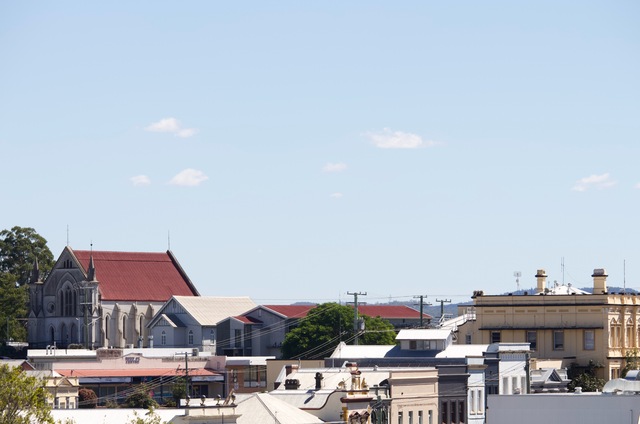
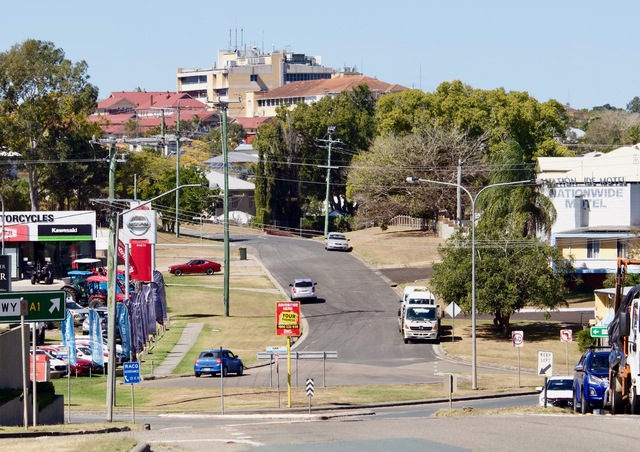
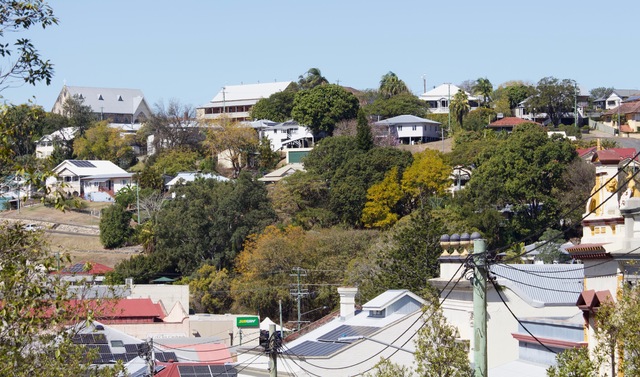
Gympie recorded a smaller tightening of -0.1 percentage points to sit at 1.0 percent.
The REIQ classifies a ‘healthy’ vacancy rate as one that sits between 2.6 – 3.5 percent; however, vacancy rates were yet again 1.0 percent or less in 33 of the 50 local government areas (LGAS) and sub-regions tracked by the REIQ across the state.
Cook (0.0 percent) continues to record zero availability, followed by Charters Towers and Goondiwindi (both 0.1 percent), Maranoa (0.2 percent), Banana (0.3 percent), and Southern Downs (0.4 percent).
A second tier of highly constrained markets – all at 0.6 percent – includes Redcliffe, Mainland, Cassowary Coast, Mareeba and Tablelands.
There’s also a wide cluster of markets are sitting between 0.7 percent and 0.8 percent, including Ipswich, Moreton Bay, Pine Rivers, Sunshine Coast, Caloundra Coast, Toowoomba, Burdekin and Central Highlands (all 0.7 percent), alongside Greater Brisbane, Outer Brisbane, Logan, Maryborough, Bundaberg, Rockhampton and South Burnett (all 0.8 percent).
Markets at or just below 1.0 percent vacancy continue to dominate the landscape, including Redland (0.9 percent), Brisbane LGA (1.0 percent), the Middle Brisbane ring (1.0 percent), Cairns (1.0 percent), Gympie (1.0 percent), Livingstone (1.0 percent) and Scenic Rim (1.0 percent).
Slightly higher, but still firmly in tight territory, are Inner Brisbane, the Gold Coast and Townsville (all 1.1 percent), followed by Caboolture and Mackay (both 1.2 percent), and a group at 1.3 percent including Sunshine Coast SD, Maroochy Coast, Hinterland, Lockyer Valley and Whitsunday.
The upper end of the tight range includes Fraser Coast (1.5 percent), Hervey Bay (1.6 percent) and Noosa (1.9 percent), alongside Mount Isa (1.9 percent), which continues to fluctuate in line with local economic conditions.
REIQ CEO Antonia Mercorella said only a small number of regions sit outside tight territory.
“In Gladstone the vacancy rate is fluctuating near the healthy range at 2.2 percent.
“We know confidence in the Gladstone sales market remains high with many project announcements such as $2b for the Boyne Smelter to continue, and the potential for an oil/fuel refinery for Gladstone.
“The Bay Islands (3.5 percent) sit at the top of the healthy range, while Isaac (5.5 percent) remains the only market clearly in weak territory, reflecting a sustained oversupply relative to demand.’’
MOVEMENTS OVER THE QUARTER
The sharpest tightening was concentrated in resource-driven and previously weaker markets. Isaac recorded the largest decline (-0.6 percentage points), followed by the Bay Islands (-0.5pp). Gladstone, Mount Isa and Southern Downs each fell by -0.4pp, while Inner Brisbane (-0.3pp) also saw notable contraction.
A broad group of markets recorded moderate tightening of around -0.2pp, including Greater Brisbane, Brisbane LGA, the Middle ring, Ipswich, Moreton Bay, Bundaberg, Goondiwindi, Lockyer Valley and Maranoa, signalling continued absorption of rental stock across both metropolitan and regional areas.
Smaller declines of -0.1pp were recorded across Outer Brisbane, Logan, Redcliffe, Redland, Maryborough, Cassowary Coast, Gympie and Mareeba, while several markets held steady, including Pine Rivers, Gold Coast, Sunshine Coast, Cairns, Rockhampton, Toowoomba, Banana, Central Highlands, Charters Towers, Cook, Scenic Rim, Tablelands and Whitsunday.
In contrast, easing was most visible in lifestyle and coastal markets. The Maroochy Coast and Hinterland recorded the largest increases in vacancy (+0.5pp), followed by Hervey Bay (+0.4pp), Noosa (+0.3pp) and Fraser Coast (+0.2pp). More modest increases of +0.1pp were seen in Caboolture, Sunshine Coast SD, Caloundra Coast, Mackay, Townsville, Burdekin, Livingstone and South Burnett.
While there are some small pockets of easing this quarter, most changes are incremental, and in many areas vacancy rates are shifting within an already compressed range – offering little meaningful relief for renters across the state.
The REIQ classes rental markets into three categories; tight, healthy, or weak. These markets are classified according to vacancy rates ranges:
0 – 2.5% = tight
2.6 – 3.5% = healthy
3.6% – plus = weak.