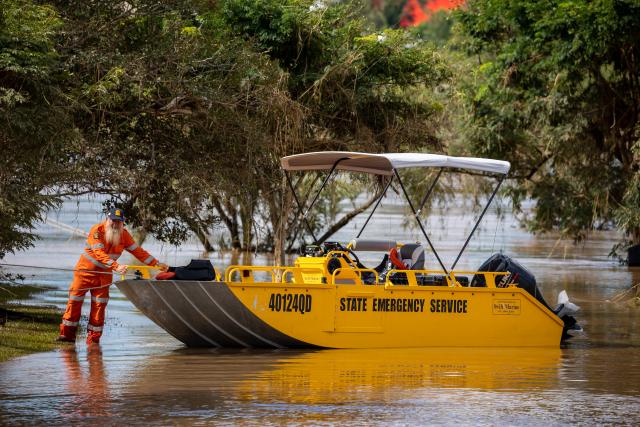
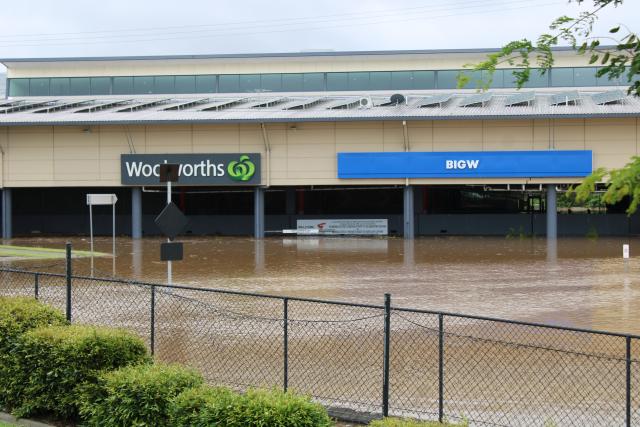
The experiences of people affected by the extreme floods in Gympie in 2022 are helping provide vital insights on preparedness, response and the early stages of recovery to help reduce future flood risk.
Findings from independent research conducted by Natural Hazards Research Australia in partnership with Macquarie University, the University of Southern Queensland and the Queensland University of Technology were released last Wednesday at the Natural Hazards Research Forum in the report, Community experiences of the January – July 2022 floods in New South Wales and Queensland.
A total of 192 flood-impacted residents (100 in New South Wales/92 in Queensland) were interviewed using an approach that invited residents to share their flood story.
A further 430 residents participated in an online survey.
Lead researcher and occupational psychologist Associate Professor Mel Taylor from Macquarie University said the personal experiences of those impacted by the floods are captured by the research.
“Each person’s experience is unique and the power of this research is that it captures the lived experiences – before the floods, during the floods, and the early recovery stage – of so many people who have been through some of the worst flooding on record in Australia, and some people multiple times,” A/Prof Taylor said.
“What we found is that there are big picture issues that affect how people were impacted by the floods – community connection and communication, local capacity for action, flexibility in disaster adaptation and personal control over decision making.
“If we can make change in these areas we can improve not just disaster preparedness, response and recovery, but capacity for managing any kind of adversity.”
The research report provides vital context that will assist emergency management organisations, government departments, local councils, community organisations and community members in better understanding the complexities of community experiences before, during and after severe weather.
The results of the research will be used to inform strategies to improve flood safety across Australia explained Andrew Gissing, CEO of Natural Hazards Research Australia.
“There are always lessons to be learnt from each and every natural hazard.
“The insights from this research apply right across Australia and show the complexity in which people experience a natural hazard, in this case flood.
“There is no one definitive flood experience but we can make change to improve the outcome when it starts raining.
“The detailed knowledge available from this research will inform insights nationwide and shape the future we need as we work towards making communities safer from the severe weather we know will worsen,” Mr Gissing explained.
The report identifies themes from the community interviews and surveys, including the accuracy of flood data, the inclusion of local knowledge, the need for timely official information, the sense of being forgotten, the changing role of community responders, and the impacts of planning decisions and infrastructure maintenance.
Respondents reported a range of challenges arising from the large-scale clean-up, insurance claims, the bureaucracy of financial support, temporary housing, and the longer-term struggles with ’community recovery fatigue’.
The researchers investigated the levels of preparedness and the role of prior flooding experience to identify why some residents were more prepared than others and what actions they had taken.
Residents were also asked what actions they took in the lead up to and during the floods, and the challenges they faced.
The researchers also asked how residents received information and who they trusted for information.
They looked at the types of housing impacted, their pre-flood modifications and the challenges posed in reconstruction under the threat of future floods.
They assessed the residents’ satisfaction with the support provided by external organisations and the community.
There are four broad challenge areas identified by the research. These are:
* the gradual erosion of trust
* the need to embrace self-activating communities and integrate community into all phases of disaster
* managing the long-term psychological impacts of an increasingly complex disaster landscape
* the need to see disaster support as part of a holistic person-centred approach.
Assistant Commissioner Mike Wassing of the Queensland Fire and Emergency Services said accurately gauging, considering and applying community experience and perspective is an important part of contemporary emergency service agencies and the services they deliver.
“This research demonstrates that community members directly impacted by the 2022 rainfall and flood events have valuable insights that they are willing to share, together with an optimism that lessons learned from their tragedy can genuinely contribute to the evolution of prevention, preparedness, response, and recovery policy.
“QFES looks forward to seeing the uptake and application of these important findings and to expanding research partnerships on further community-focused topics.”
The full research report and a summary report can be both be found at www.naturalhazards.com.au/floods2022